Malta's history is an incredible mosaic of civilizations that have left an indelible mark. With over 7000 years of history, the archipelago has been a strategic crossroads of the Mediterranean. Let's trace the fundamental stages together.
The Temple Era (5200 BC - 2500 BC)
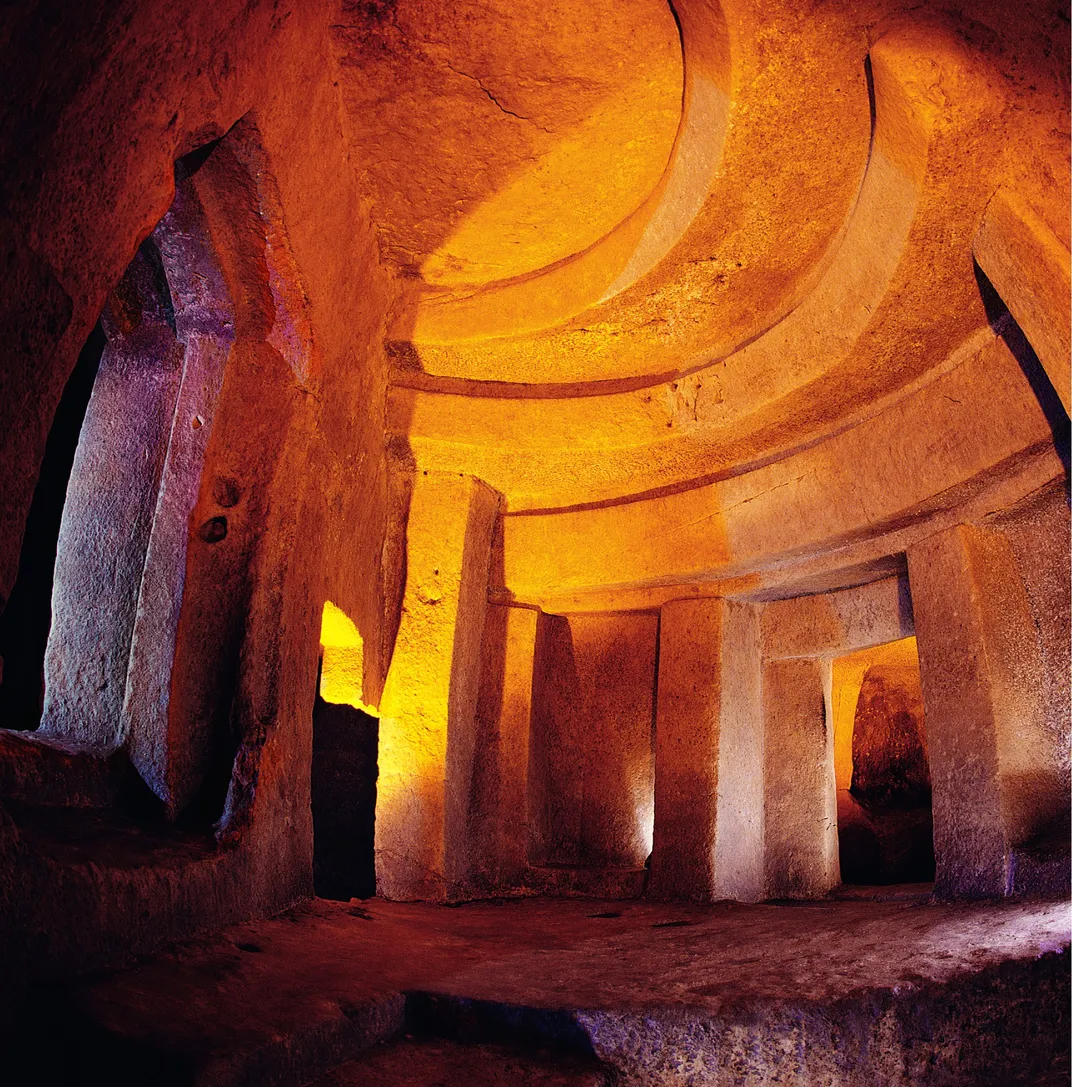
The first inhabitants arrived from Sicily around 5200 BC. They gave rise to a unique culture, capable of building complex megalithic temples like Ġgantija (in Gozo), Ħaġar Qim, and the Hypogeum of Hal Saflieni, a unique underground temple. These structures, dedicated to the fertility goddess, predate Stonehenge and the Egyptian pyramids.
Phoenicians, Romans, and Arabs
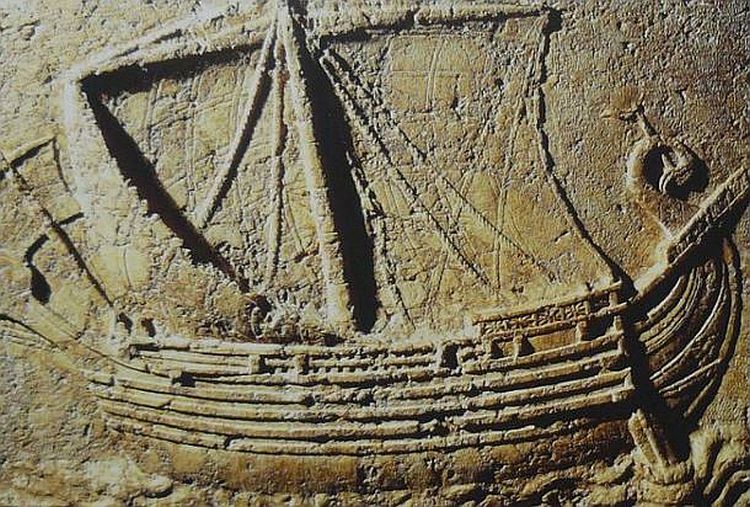
After the mysterious disappearance of the temple civilization, Malta became a trading outpost for the Phoenicians. Subsequently, it was annexed to the Roman Empire, as evidenced by the remains of the Domus Romana in Rabat. According to tradition, it was during this period, in 60 AD, that St. Paul was shipwrecked on the island, introducing Christianity. After the Byzantines, the Arab dominance (9th-11th century) profoundly influenced Maltese culture and language.
The Knights of St. John (1530-1798)

The most iconic period in Maltese history. In 1530, Emperor Charles V ceded Malta to the Order of the Knights of St. John. The Knights fortified the island and heroically resisted the Great Siege by the Ottoman Empire in 1565. Following this victory, Grand Master Jean de la Valette founded the new capital, Valletta, which bears his name.
British Rule and Independence

After a brief period under Napoleon, Malta became a colony of the British Empire in 1814. Its strategic position made it a crucial naval base, especially during World War II, when the island suffered heavy bombing and earned the George Cross for the heroism of its inhabitants. Malta gained full independence in 1964, became a Republic in 1974, and joined the European Union in 2004.
Fascinated by the island's history? Contact us to plan your stay in the heart of history.