Malta Month by Month: Weather, Sea and What's On
A local host's guide to choosing the right month for your holiday
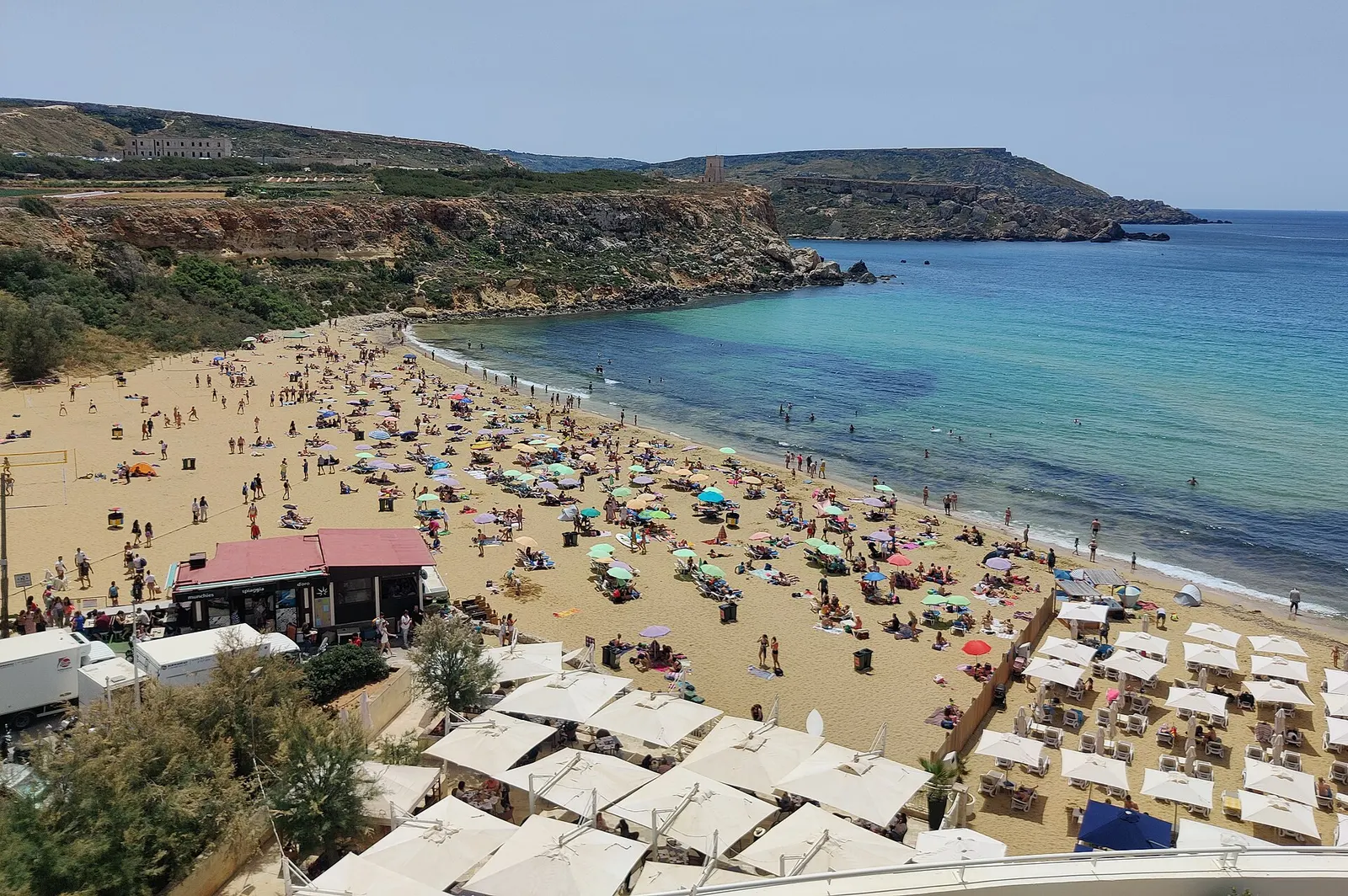
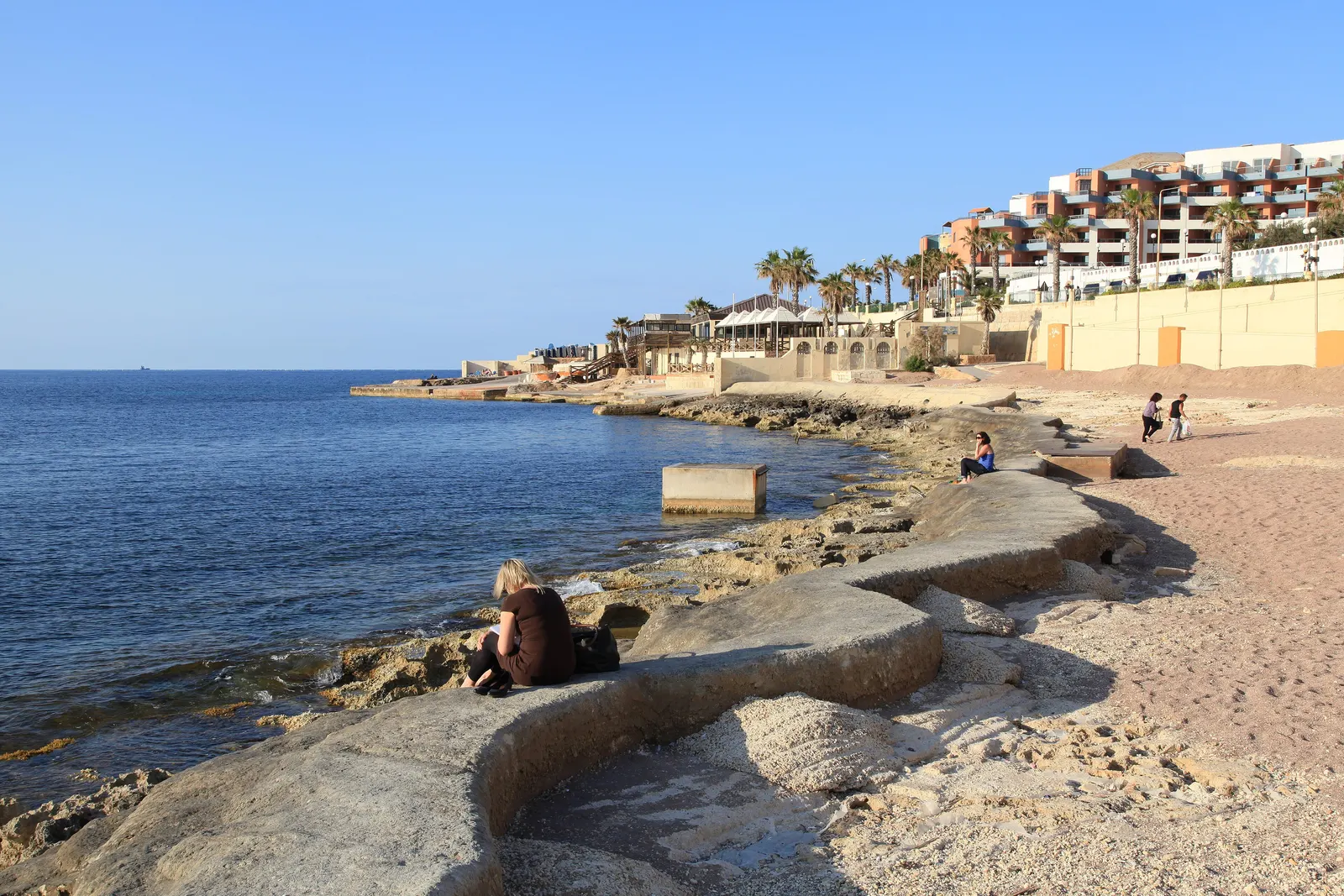
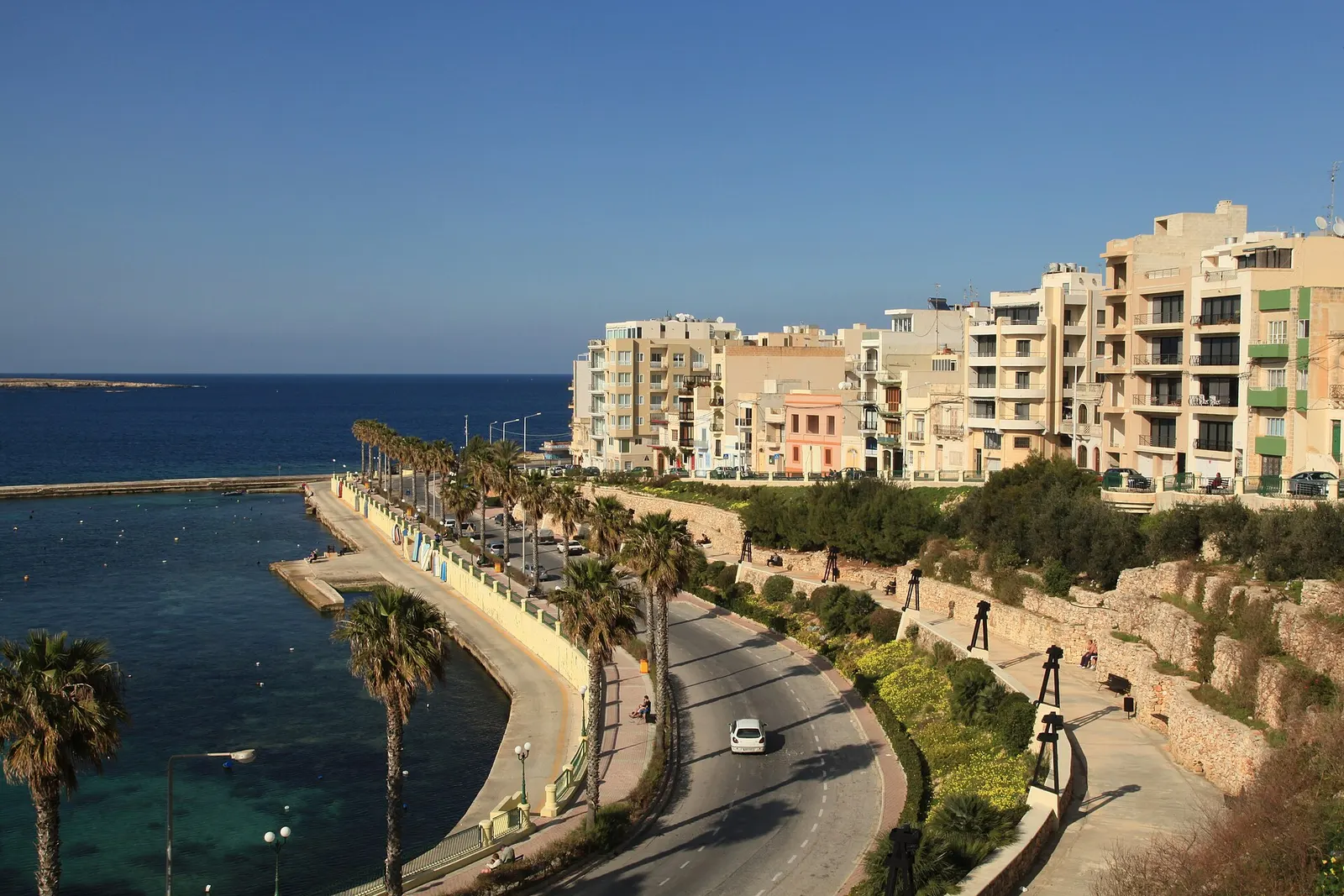
The best months to visit Malta are May, June, September and October: warm sunny days (24–29°C), a sea warm enough to swim and fewer crowds than in high summer. July and August are hot (around 32°C), busy and full of village festas. From November to March Malta is mild (16–21°C), quiet and better value, ideal for sightseeing and walks, with Christmas, Carnival and Easter as highlights. The sea is warmest in August and September (25–26°C).
Malta is a year-round destination, but each month feels different. Here is what to expect, month by month, from someone who lives here: average temperatures, the sea, the chance of rain and the events worth planning around.
Malta's weather and events at a glance
| Month | Average high | Sea | Rainy days | Highlights |
|---|---|---|---|---|
| January | 16°C | 16°C | 10 | Quiet, best prices, coastal walks |
| February | 16°C | 16°C | 8 | Carnival; Feast of St Paul's Shipwreck (10 Feb) |
| March | 17°C | 16°C | 6 | Green countryside; Easter 2027 on 28 March |
| April | 20°C | 16°C | 4 | Wildflowers, hiking; fireworks festival |
| May | 24°C | 18°C | 2 | Warm days; beach season starts |
| June | 29°C | 21°C | 1 | Festa season begins; Mnarja (29 June) |
| July | 32°C | 24°C | 0 | Hot; festas every weekend; jazz festival |
| August | 32°C | 26°C | 1 | Hottest, busiest; Santa Marija (15 Aug) |
| September | 29°C | 25°C | 4 | Warm sea, fewer crowds; regatta (8 Sept) |
| October | 25°C | 23°C | 7 | Notte Bianca; Middle Sea Race |
| November | 21°C | 21°C | 9 | Mild; first autumn rains |
| December | 17°C | 18°C | 10 | Christmas lights and markets |
Average daily highs and rainy days (1 mm or more) from the Luqa weather station, 1991–2020 averages; sea temperatures are typical monthly averages. Event dates change every year: check before you travel.
Winter: December to February
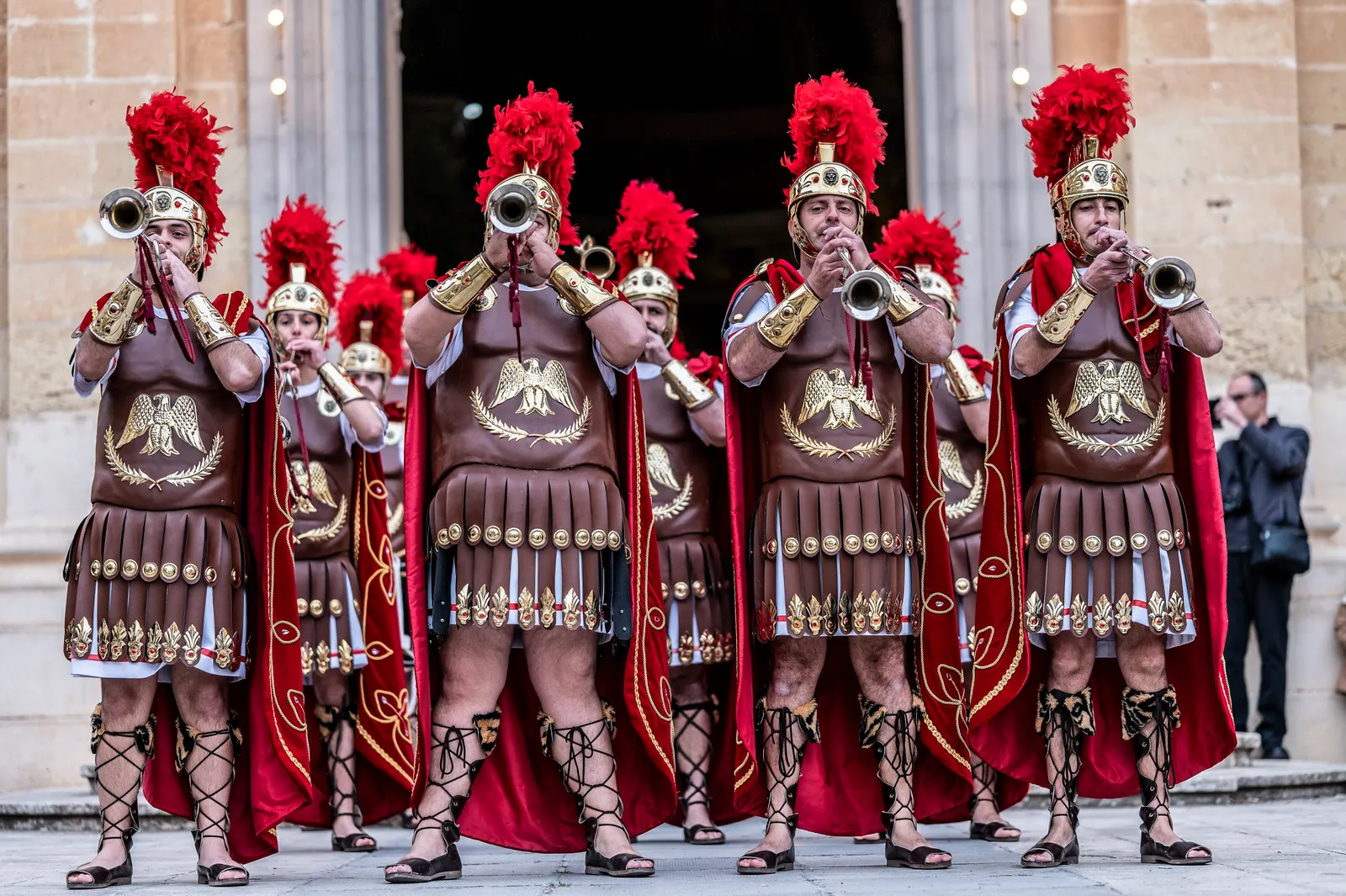
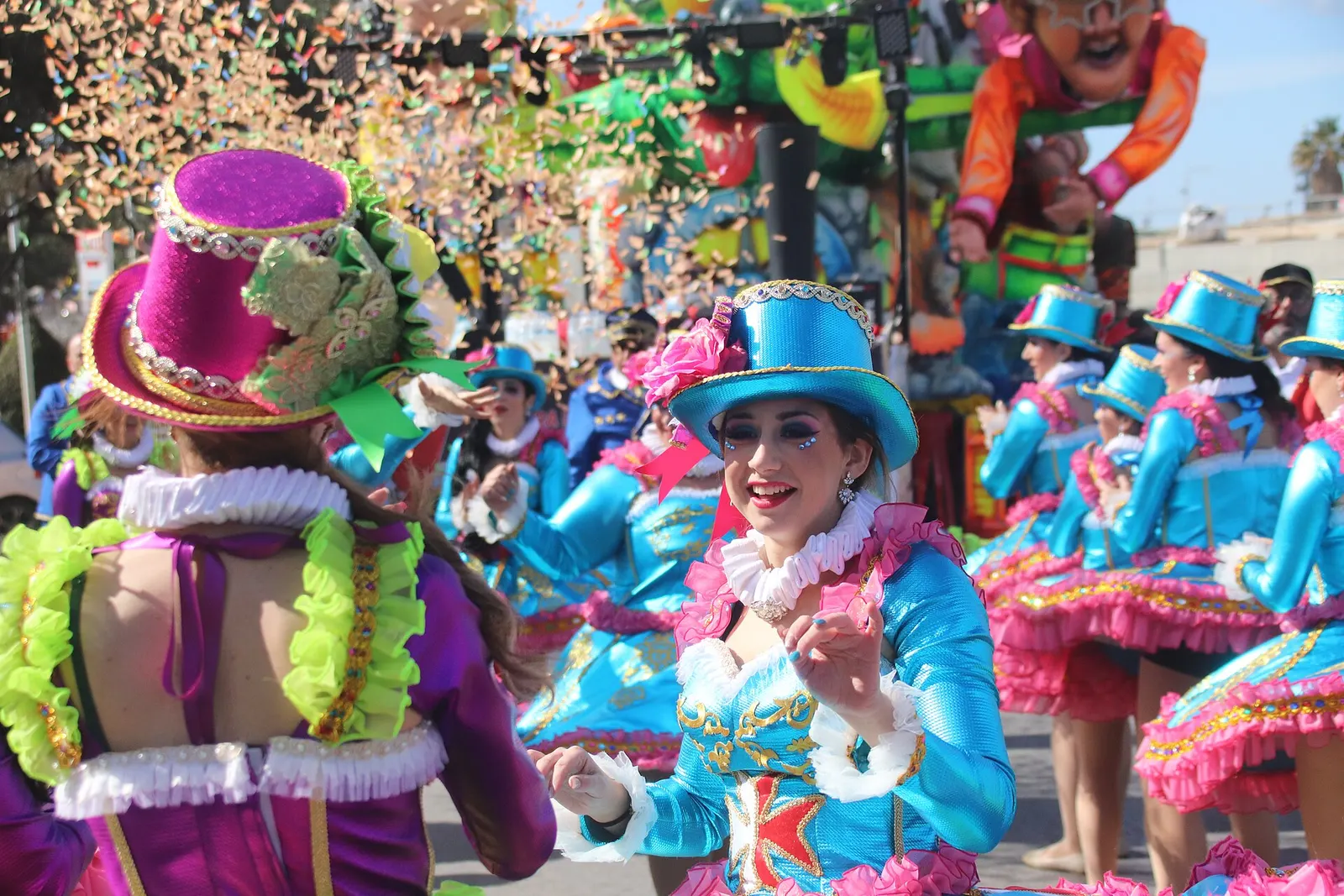
Mild days around 16–17°C, five to six hours of sunshine and most of the year's rain, usually in short showers. It is the quietest and best-value season, perfect for Valletta, Mdina and walks along the cliffs. December brings Christmas lights, cribs and markets (see Christmas in Malta); February has the Feast of St Paul's Shipwreck on 10 February, a public holiday, and Carnival, with colourful floats in Valletta and a satirical version in Nadur, Gozo. More in Malta in winter.
Spring: March to May
The countryside is green and full of wildflowers, the days get warmer (17°C in March, 24°C in May) and rain becomes rare. It is the best season for hiking and for Gozo. Easter is the great event: in 2027 it falls on 28 March, with Good Friday processions and the Risen Christ run on Easter Sunday (see Easter in Malta). The Malta International Fireworks Festival usually takes place in late April. The sea is still cool (16–18°C) until late May.
Summer: June to August
Hot, dry and sunny: highs of 29–32°C and almost no rain. The sea reaches 24–26°C, and the beaches, the Blue Lagoon and the boat trips are at their best, but also at their busiest. Every weekend a different village celebrates its festa, with band marches, decorated streets and fireworks. Look out for Mnarja (29 June) in the Buskett gardens, the Malta Jazz Festival in Valletta in July and the feast of Santa Marija on 15 August. Plan beach time for the morning and late afternoon.
Autumn: September to November
For many locals, the best time of year. In September the sea is at its warmest (around 25°C) and the crowds thin out after mid-month; Victory Day on 8 September is celebrated with a rowing regatta in the Grand Harbour. October is still warm (25°C) with Notte Bianca, a night of culture in Valletta, and the start of the Rolex Middle Sea Race from the Grand Harbour. In November the first autumn rains arrive, but the sea is still around 21°C and prices drop.
Read next: Malta Itinerary: 3, 5 or 7 Days · Sandy Beaches in Malta
Frequently asked questions
What is the best month to visit Malta?
May, June, September and October offer the best balance: sunny days of 24–29°C, a warm sea and fewer crowds than July and August. For sightseeing and walks at lower prices, choose November to April.
What is the hottest month in Malta?
August, closely followed by July: average highs are around 32°C and it hardly ever rains. Nights stay warm, around 22–23°C.
When is the sea warm enough to swim in Malta?
From June to November the sea is 21°C or more, peaking at about 26°C in August. In May it is around 18°C; from December to April about 15–16°C, too cold for most visitors.
When is the rainy season in Malta?
Most rain falls from October to February, with about 7 to 10 rainy days a month, usually short heavy showers. From May to August it almost never rains.
When are the village festas in Malta?
Mainly from June to September, when almost every weekend a town or village celebrates its patron saint with band marches, decorated streets, processions and fireworks.
What is the cheapest time to visit Malta?
Usually November to March, excluding the Christmas and New Year weeks: flights and accommodation cost less, and the weather is still mild enough for sightseeing.