Easter in Malta: Holy Week Processions, Traditions and Figolli
The most intense week of the Maltese year, from Our Lady of Sorrows to the Risen Christ running through the streets
In 2027 Easter in Malta falls on 28 March. Holy Week is the most heartfelt time of the Maltese year: on Maundy Thursday (25 March) people visit seven churches to see the decorated altars of repose; on Good Friday (26 March, a public holiday) more than a dozen towns hold solemn processions with life-size statues and hundreds of costumed participants; on Easter Sunday the statue of the Risen Christ is carried, and in the harbour towns of Birgu, Senglea and Cospicua run, through the streets. The sweet of the season is the figolla, an almond-filled Easter pastry.
If Christmas in Malta is about lights and cribs, Easter is about drama, faith and community. For a week, parishes that have been preparing for months bring out their statues, bands and costumes, and whole villages fill the streets. It is also an excellent time to visit: spring is mild and green, and the beaches are still quiet. Here is what happens, day by day, and how to enjoy it.
Holy Week 2027 in Malta at a glance
| Day | Date | What happens |
|---|---|---|
| Friday of Sorrows | 19 March | Processions of Our Lady of Sorrows (Id-Duluri) in many parishes. Also St Joseph's Day, a public holiday |
| Palm Sunday | 21 March | Blessing of palms and olive branches |
| Maundy Thursday | 25 March | Visit to seven churches and their altars of repose, late into the evening |
| Good Friday | 26 March | Public holiday. Solemn processions with statues of the Passion |
| Easter Sunday | 28 March | Processions of the Risen Christ; the statue is run in Birgu, Senglea and Cospicua |
| Freedom Day | 31 March | Public holiday |
Maundy Thursday: the seven churches
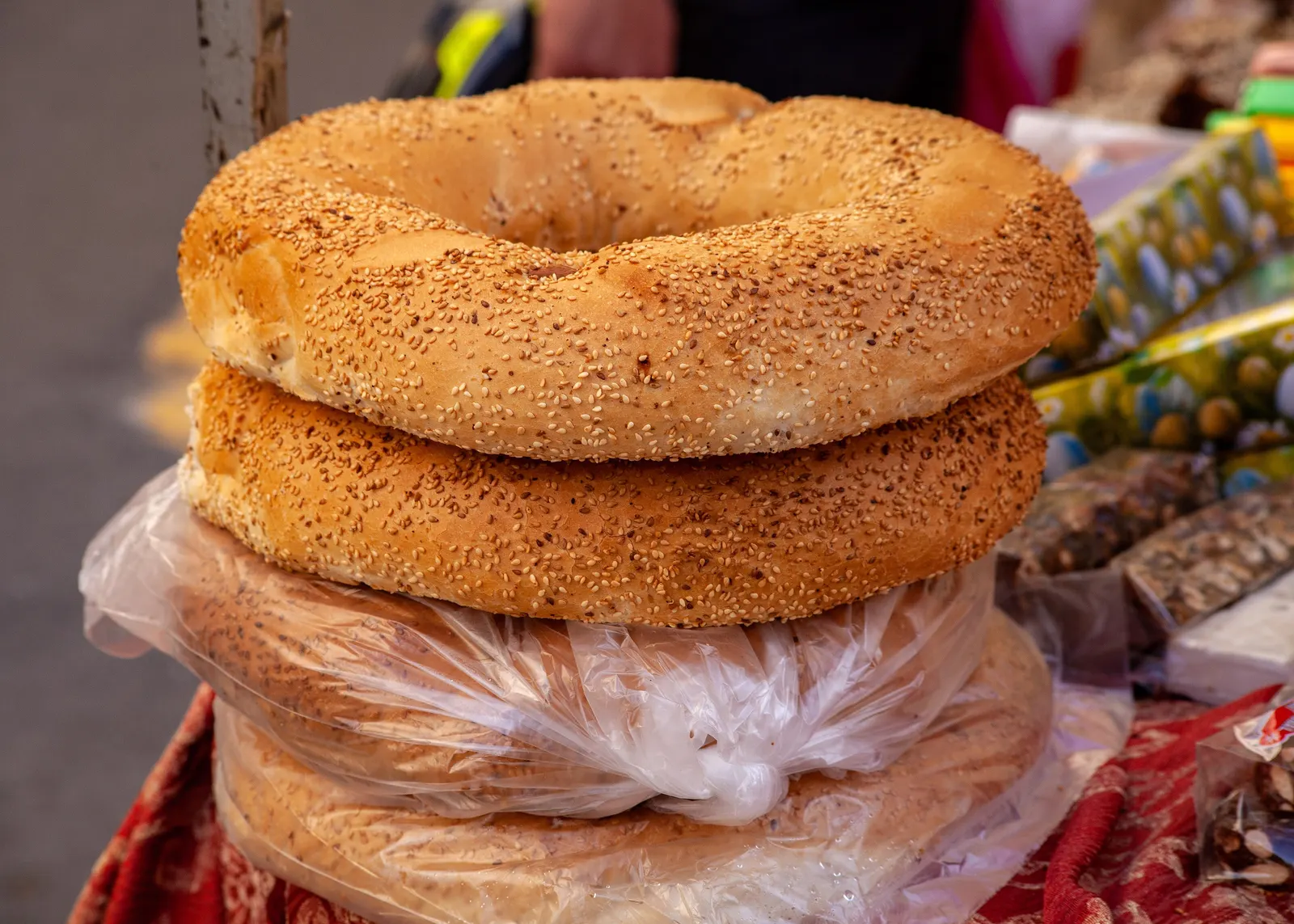
On the evening of Maundy Thursday, after the Mass of the Last Supper, churches display richly decorated altars of repose, known in Malta as "sepulchres". Families traditionally visit seven churches, walking from one to the next; in Mdina and Rabat the streets are still busy well after 10pm. It is a quiet, beautiful evening and a good way to see baroque churches at their most atmospheric. Bakeries sell qagħaq tal-Appostli, the ring-shaped "Apostles' bread" of Maundy Thursday and Good Friday.
Good Friday processions
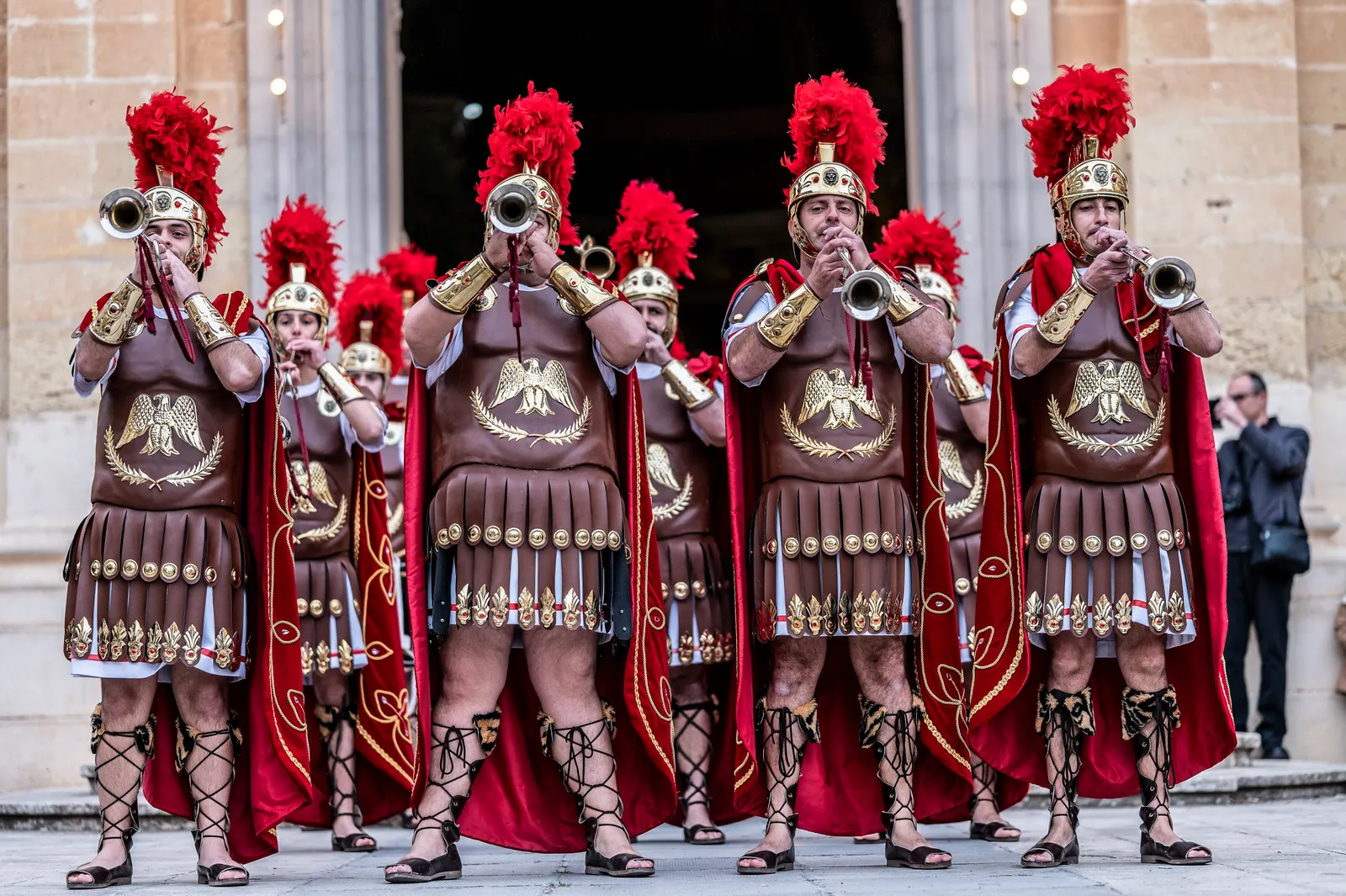
Good Friday is the climax. In more than a dozen towns and villages, after the afternoon liturgy, processions wind through the streets for hours: life-size statues depicting scenes of the Passion, each carried by a team of bearers, alternate with participants dressed as biblical figures and Roman soldiers, brass bands playing funeral marches, and hooded penitents, some dragging chains tied to their ankles. Among the best known are the processions of Żebbuġ, Mosta, Qormi, Rabat and Birgu, whose procession is one of the oldest on the island. From St. Paul's Bay, Mosta and Rabat are only about 15 minutes away.
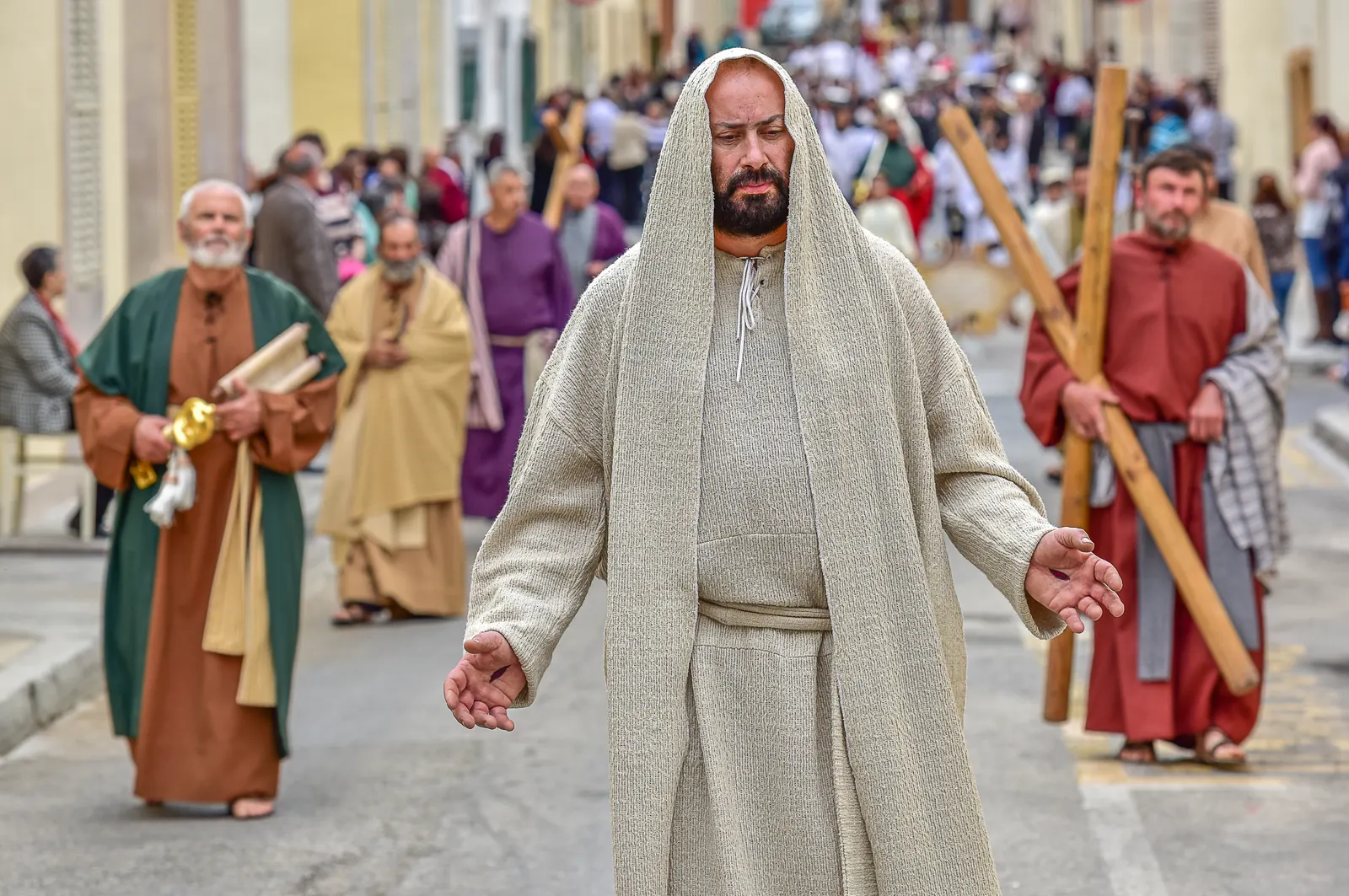
Etiquette: processions are religious events. Dress respectfully, keep your voice down, do not cross through the procession and do not use flash close to the statues.
Easter Sunday: the Risen Christ runs
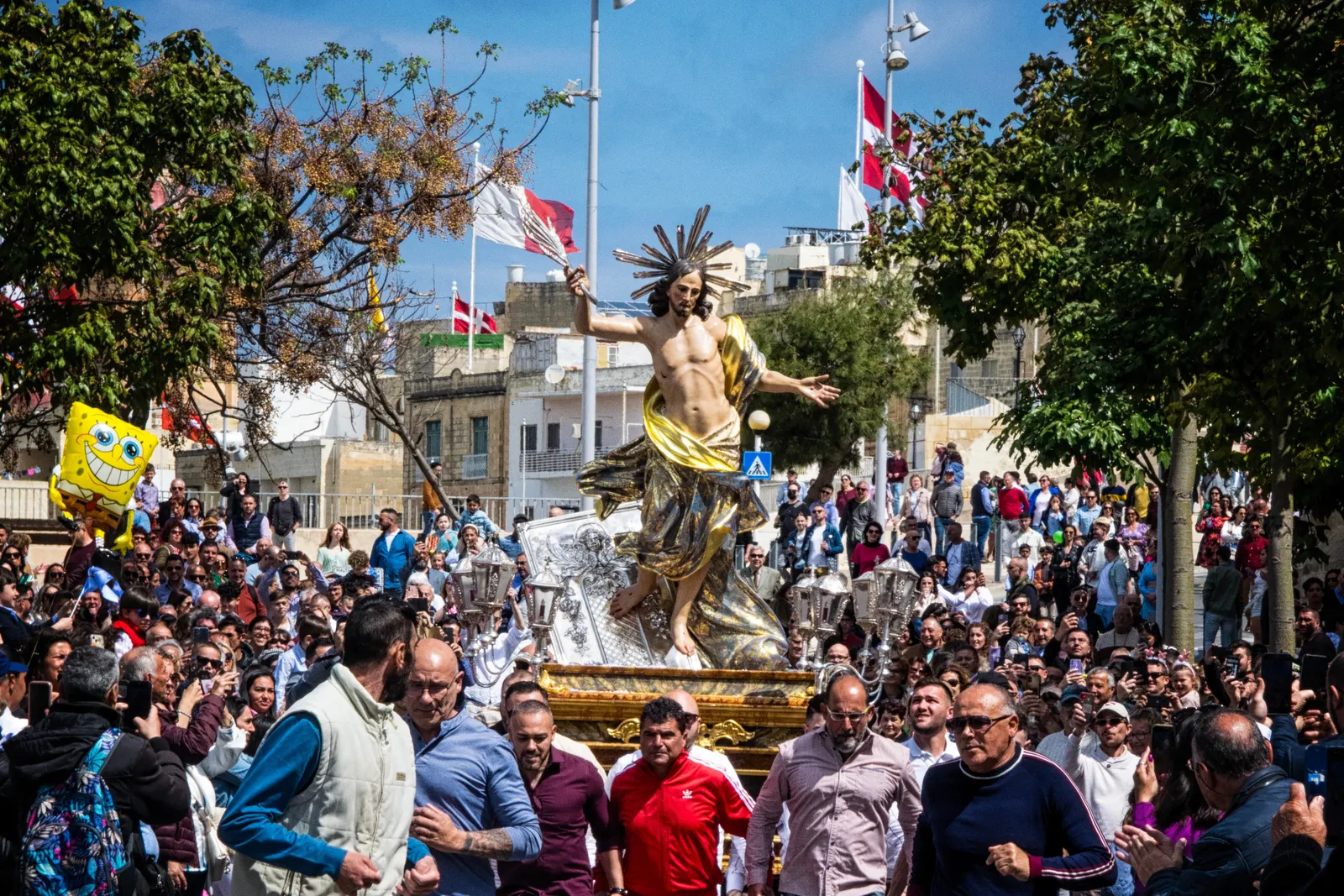
Sorrow turns into joy on Easter morning. Many parishes, including Valletta, Mosta, Qormi, Rabat, Żebbuġ and Żejtun, hold a festive procession with the statue of the Risen Christ. The most spectacular are in the harbour towns of Birgu (Vittoriosa), Senglea and Cospicua, where young men carry the heavy statue at a run through the streets and up the slopes, cheered by the crowd, to proclaim the Resurrection.
Easter food: figolli and kwareżimal
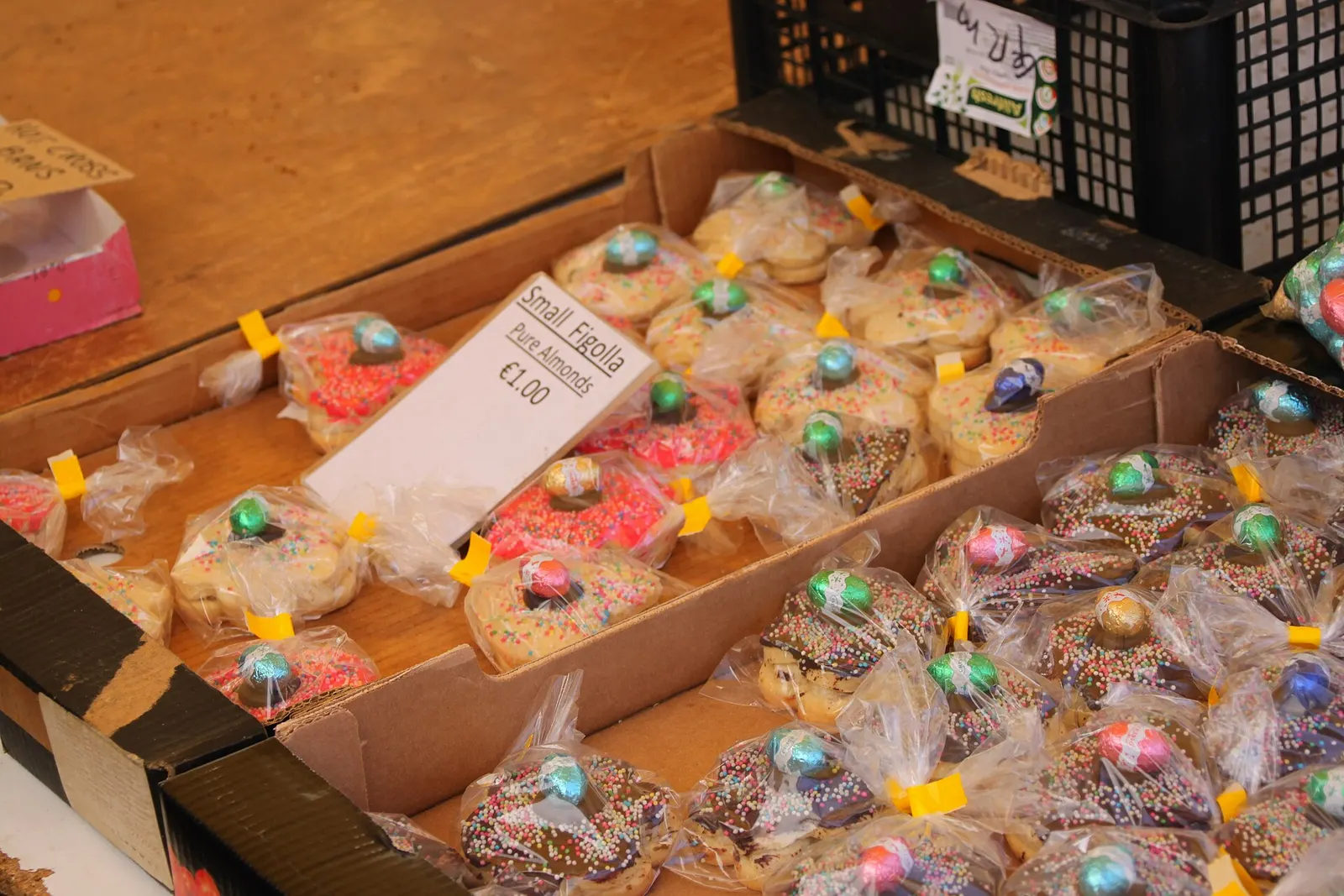
During Lent bakeries sell kwareżimal, traditional Lenten biscuits made with almonds, honey and spices. At Easter the star is the figolla: two layers of pastry filled with almond paste, cut into shapes such as lambs, fish or hearts, iced and often topped with a small chocolate egg. Children receive them on Easter Sunday. More in our guide to Maltese food.
Practical tips for Easter in Malta
- Weather. Late March is mild: afternoons around 17°C, cooler evenings, and the sea still cool (about 15–16°C). Bring a jacket for the evening processions.
- Public holidays. 19 March, Good Friday and 31 March are public holidays in Malta; Easter Monday is not. Some shops and sites close or shorten their hours on Good Friday.
- Getting there. Streets are closed for the processions, and buses may be diverted: arrive early and plan to walk the last part.
- Book early. Easter is a popular time for European visitors, and flights fill up.
Read next: Malta Itinerary: 3, 5 or 7 Days · Maltese Food: Traditional Dishes to Try
Frequently asked questions
When is Easter in Malta in 2027?
Easter Sunday is on 28 March 2027. Good Friday, a public holiday with processions across the island, is on 26 March, and Maundy Thursday on 25 March.
Where are the best Good Friday processions in Malta?
Among the best known are Żebbuġ, Mosta, Qormi, Rabat and Birgu (one of the oldest), but more than a dozen towns and villages hold one, with statues of the Passion, costumed biblical figures and penitents.
What is the Easter Sunday run in Malta?
In the harbour towns of Birgu, Senglea and Cospicua, young men carry the statue of the Risen Christ at a run through the streets on Easter Sunday morning, a joyful tradition that symbolises the Resurrection.
What do Maltese people eat at Easter?
Figolli, almond-filled pastries shaped like lambs, fish or hearts and decorated with icing and chocolate; kwareżimal biscuits during Lent; and qagħaq tal-Appostli ring bread on Maundy Thursday and Good Friday.
Is Easter a good time to visit Malta?
Yes. The weather is mild, the countryside is green, the island is quieter than in summer, and Holy Week offers some of the most moving traditions in Europe. Book flights and accommodation early.